NACo urges Treasury and Federal Reserve to expand local access to Municipal Liquidity Facility
Upcoming Events
Related News

Key Takeaways
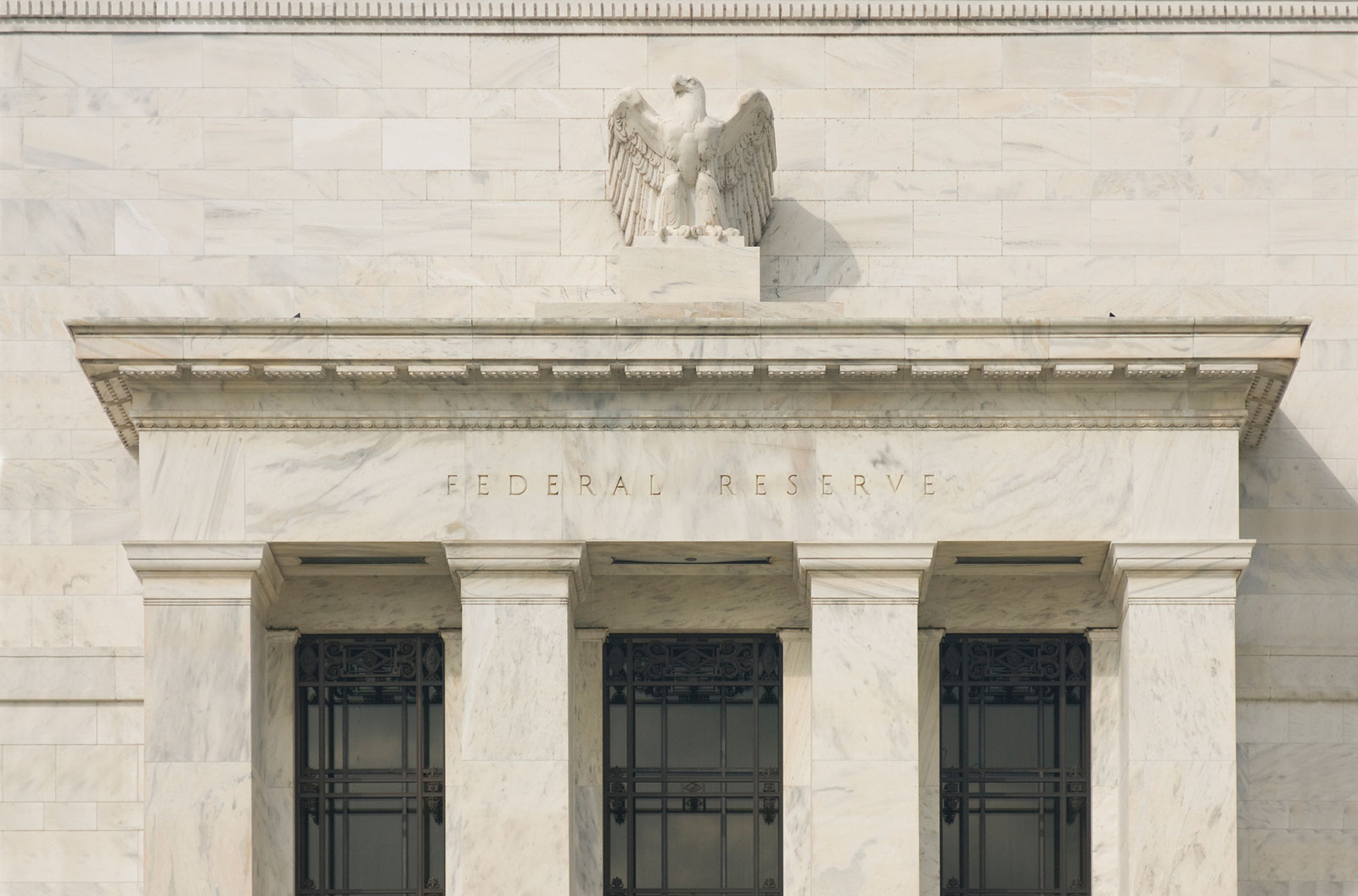
On September 24, NACo sent a letter to the U.S. Treasury and Federal Reserve urging that the agencies take steps to expand access to the Municipal Liquidity Facility (MLF), which was established under the CARES Act, to help address local government budget challenges and support the national economy.
In response to the detrimental fiscal impact of the COVID-19 pandemic, the Federal Reserve established the MLF to lend up to $500 billion to eligible cities, counties and states that experienced steep revenue declines. After the program was established, federal, state and local officials voiced concerns over the MLF’s restrictions on the support it could provide to states and localities struggling to deal with the adverse effects of COVID-19.
In response to these concerns, the Federal Reserve took steps to expand access to the MLF by lowering the population threshold and restructuring the program’s pricing structure. Currently, eligible borrowers include all 50 states and Washington, D.C., counties with at least 500,0000 residents and cities with at least 250,000 residents. To ensure smaller jurisdictions may also be supported by the MLF, potential borrowers also include cities or counties identified by governors in states where less than two cities and counites meet these population thresholds. Additionally, the Federal Reserve reduced prices by 50 basis points for triple-A issuers (originally 150 basis points) and below investment-grade-related issuers (originally 590 basis points).
Despite these changes to the MLF, counties and our residents continue to experience devastating health and economic impacts as we remain on the frontlines of the ongoing coronavirus pandemic. New NACo research estimates that the COVID-19 pandemic could have a $202 billion budgetary impact on counties of all sizes through fiscal year 2021, including $172 billion in lost revenue and an additional $30 billion in COVID-19 response costs. This tremendous loss of revenue and increase in costs may ultimately result in cuts to essential county services including public safety, social services, child protective services, mental health, homelessness, jail diversion, reentry and more. Furthermore, many counties have already been forced to cut costs by furloughing or laying off workers to maintain mandated balanced budgets.
Although the MLF provided some stability to the municipal bond market when it was established, it is not practical or accessible to entities that need it most – state and local governments. In the letter, NACo provided recommendations to the U.S. Treasury and Federal Reserve to ensure that state and local governments may take advantage of this important tool. These recommendations include:
- The Federal Reserve should extend the MLF’s underwriting deadline beyond December 31, 2020
- The Federal Reserve should lower the MLF population threshold so that more counties are eligible to sell short-term debt to the facility
- The Federal Reserve should restructure the facility’s pricing structure and lower the current rates
NACo will continue to monitor developments around the MLF.
Related News

Congress makes progress on data center legislation
NACo has endorsed data center-related bills aimed at providing electricity cost relief to ratepayers - the House's Ratepayer Protection Act and the Senate's American Affordability and Jobs Act.

Counties face tax structure question on data centers
While the property taxes on the land that data centers occupy can be significant, the value of the equipment inside is a substantial addition to the total value.

Data center legislation surges as states shift from incentives to oversight
NACo tracked 97 state bills that became law between 2024-2026 governing the new class of hyperscale facilities designed for generative AI and cloud computing.